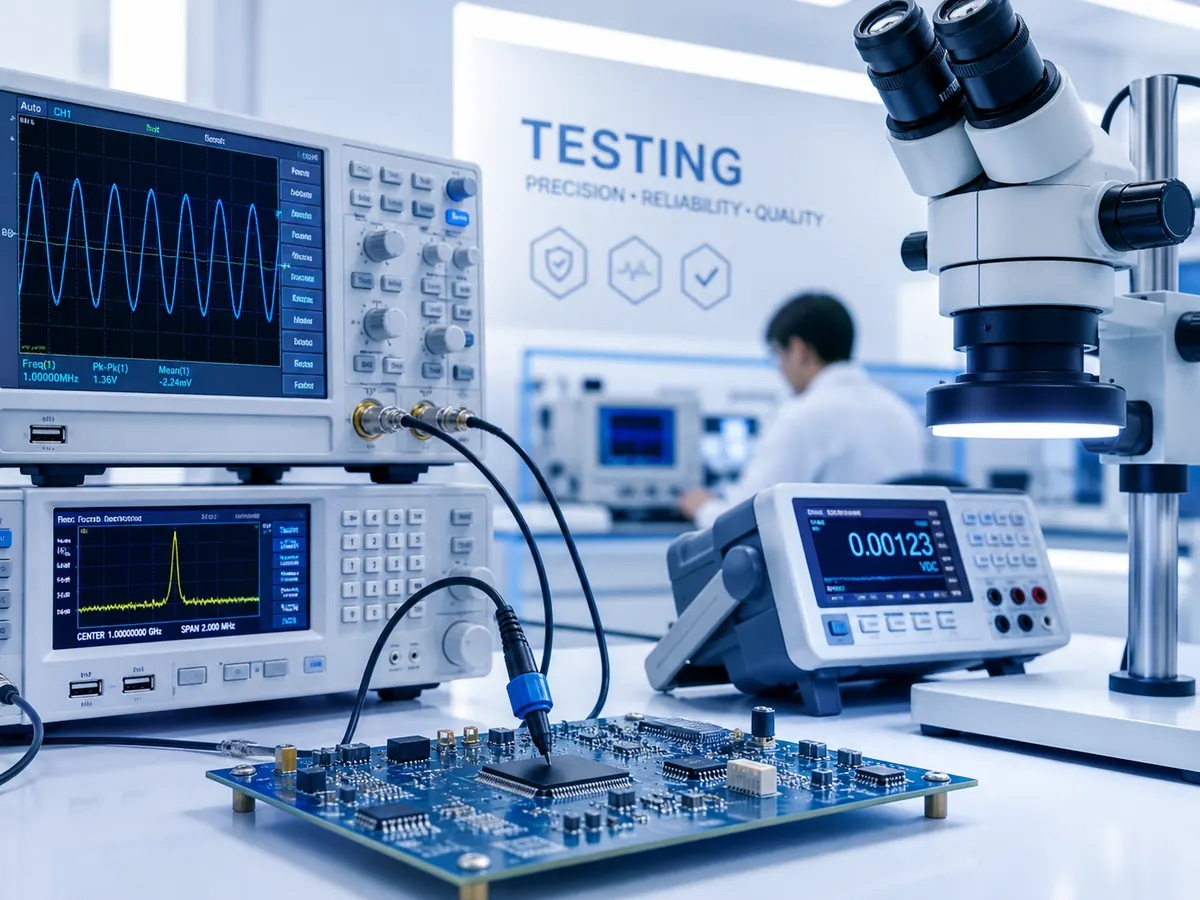
Electronic products entering the United States market must adhere to strict regulatory requirements enforced by the Federal Communications Commission. FCC testing validates that devices comply with electromagnetic compatibility and radio frequency standards, preventing interference with critical communication networks. Manufacturers face significant risks if products fail to meet these mandates, including fines, seized shipments, and reputational damage. Ensuring compliance before mass production safeguards market access and builds trust with distributors and consumers alike.
FCC Certification Categories
Understanding Approval Routes
The FCC regulates radio frequency devices under Title 47 of the Code of Federal Regulations. Compliance pathways depend on the product type and its potential to cause interference. Most digital devices fall under Part 15, while telecommunications equipment may require adherence to Part 22 or Part 27. Identifying the correct classification early prevents costly redesigns and delays during the launch phase.
| Procedure | Applicable Devices | Testing Requirement | Approval Body |
|---|---|---|---|
| Verification | Low-risk digital devices | Internal testing only | Manufacturer |
| SDoC | Most intentional radiators | Accredited lab testing | Manufacturer |
| Certification | High-risk RF products | TCB review required | FCC/TCB |
Supplier’s Declaration of Conformity (SDoC) replaces the previous Verification and Declaration of Conformity procedures for many devices. This method requires testing at an accredited laboratory but allows the manufacturer to issue the declaration. Certification involves a Telecommunication Certification Body (TCB) reviewing the test data before granting an FCC ID. Choosing the wrong pathway can invalidate the compliance status entirely.
Technical Testing Standards
Key Emission Limits
Testing focuses on measuring unintended radiation and ensuring intentional transmissions stay within allocated bands. Laboratories utilize anechoic chambers and calibrated receivers to capture data across specific frequency ranges. Compliance ensures that consumer electronics do not disrupt emergency services or broadcast signals.
- Radiated Emissions: Measures electromagnetic energy propagating through the air from the device.
- Conducted Emissions: Evaluates noise transmitted back onto the AC power line.
- Band Edge Measurements: Confirms signals remain within authorized frequency boundaries.
- Spurious Emissions: Checks for unwanted signals outside the intended operating range.
Specific absorption rate (SAR) testing applies to portable devices used close to the body, such as smartphones and wearables. This ensures human exposure to RF energy remains within safety limits defined by federal guidelines. Failure to meet SAR requirements often results in immediate market rejection.
Compliance Workflow
Step-by-Step Execution
A structured approach minimizes risks and accelerates time-to-market. Engaging a qualified testing partner early allows for pre-compliance checks that identify potential failures before formal assessment. This proactive strategy reduces the need for multiple test cycles and hardware revisions.
- Product Analysis: Determine applicable rules and test standards based on device functionality.
- Pre-Testing: Conduct internal scans to identify and mitigate emission issues.
- Formal Testing: Perform full compliance measurements at an accredited facility.
- Documentation: Compile technical reports and user manuals for regulatory review.
- Submission: File applications with the TCB or prepare SDoC documentation.
Maintaining detailed records of component changes is crucial for ongoing compliance. Any modification to the circuitry or enclosure may require re-evaluation to ensure the device still meets original standards. Manufacturers must implement quality control processes to maintain consistency across production batches.
Achieving Market Readiness
Successful FCC compliance integrates regulatory strategy into the product development lifecycle. Manufacturers who prioritize testing during the design phase avoid bottlenecks near launch dates. Proper labeling and user manual disclosures complete the compliance obligation, ensuring legal distribution across the United States.
Belling Global Expertise
Belling Global delivers integrated Testing, Inspection and Certification solutions to help businesses ensure compliance, reduce risk and strengthen supply-chain quality control for seamless access to global markets. Our laboratories feature advanced anechoic chambers and precision measurement equipment capable of handling complex RF and EMC assessments. We support clients through every stage of the certification journey, from initial gap analysis to final regulatory filing.
Welcome to contact professional engineers to discuss your specific product requirements and schedule a consultation for your FCC testing project.